The invention that made poker a spectacle: the hole-card camera
Author: Kiril Poker Club
Why did poker ever become watchable on television? The answer lies in one seemingly simple idea — a camera that shows viewers the players' cards. Before this invention, following a poker game was like watching chess without the board. Today, thanks to the hole-card camera, poker is real TV drama that keeps millions of viewers glued to their screens.
The problem with old poker broadcasts
Before the hole-card camera came along, watching poker on television was incredibly boring. Viewers couldn't see the players' cards, so they couldn't follow the tension of a bluff, a bold move or a disastrous mistake. Imagine watching a detective film where you don't find out who the killer is until the very end — and without a single clue along the way.
Without that crucial insight, poker was, to the audience, just a group of people staring at their cards and pushing chips back and forth. There was none of the drama, tension or emotion that make up the very essence of the poker spectacle today.
A tiny camera, a huge revolution
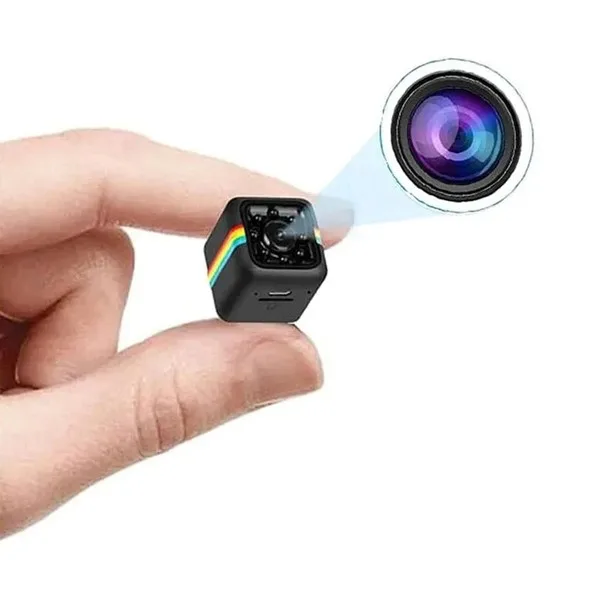
The solution came in the form of a tiny camera built into the edge of the table, revealing to viewers the cards the players were keeping hidden. Suddenly the audience knew more than the players at the table themselves — they could see the whole mosaic of the game.
That changed everything overnight. Viewers could now see who was bluffing with nothing, who was holding the nuts (the best possible hand) and who was making a costly mistake. Every hand became a story with a beginning, a middle and an end — a real narrative arc that holds your attention.
How the hole-card camera works
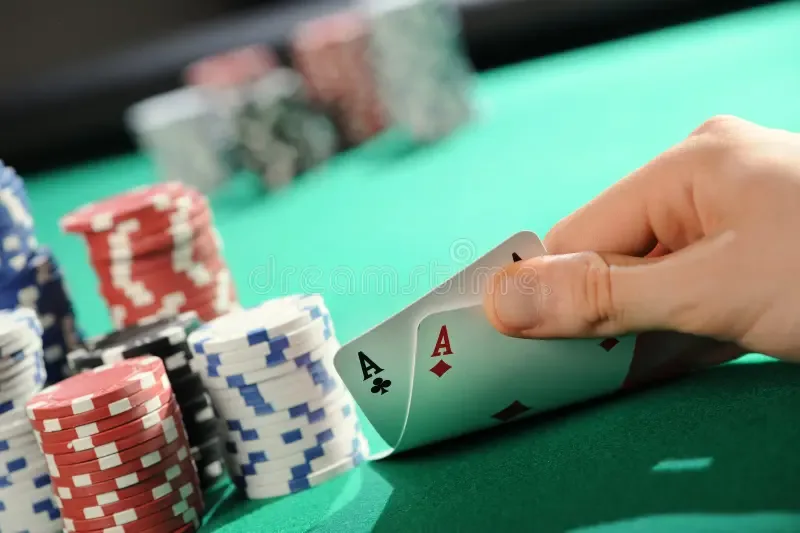
The technology was elegantly simple. A player would lift their cards over a small camera built into the table, which would capture them and send them straight to the TV studio. Viewers at home would see the cards on screen, while they stayed completely hidden from the other players at the table.
This information asymmetry — where the audience knows more than the participants — is the key to tension in any good spectacle. The hole-card camera gave poker exactly that.
The birth of TV poker stars
With the hole-card camera, poker stopped being just a game — it became real television drama. Players were no longer anonymous people at a green table, but stars with recognizable styles, moves and quirks.
Shows like the World Poker Tour and the World Series of Poker drew huge audiences in the early 2000s. People sat in front of the TV cheering for their favorite players, analyzing their moves and learning from their mistakes.
The Moneymaker effect and the poker boom
Combined with the famous Moneymaker effect of 2003, this technology set off the global poker boom. For the first time, ordinary people saw what professional poker looks like at the highest level — and realized they could give it a try too.
The hole-card camera made the game accessible. Viewers were no longer just watching passively — they were learning strategy, reading opponents, understanding position and psychology. Poker became educational entertainment.
A legacy in the online age
The same idea lives on today in online broadcasts, YouTube channels and Twitch streams, where viewers follow the players' cards alongside live analysis and expert commentary. A tiny camera from the early 2000s laid the foundation for everything we know today as the poker spectacle.
Online platforms have gone a step further — adding real-time stats, graphic displays of odds and equity analysis. But the core idea remains the same: show the viewer what the players can't see.
From innovation to standard
Today the hole-card camera is so common that hardly anyone gives it a second thought. But twenty years ago, it was a revolutionary invention that changed the industry. Without it, poker probably would never have become mainstream entertainment.
For everyone who loves following big tournaments today, analyzing the pros' moves or learning strategy from YouTube videos — we owe a debt of gratitude to that first engineer who built a tiny camera into the edge of a poker table.
Join the club
Want to play poker live or online with players from Serbia? Kiril Poker Club runs regular games for players of all levels — from beginners to seasoned players.
Join the club: message the agent on Telegram, they send you the club app and get you to a table. Details are in the guide. See you at the table!