
Everyone was a beginner once. But the same mistakes get repeated over and over — and knowing them can save you both money and nerves. A big part of learning poker is actually recognizing what not to do, and gradually building a disciplined approach to the game.

Here are the most common traps new players fall into, and how to avoid them.
Playing too many hands
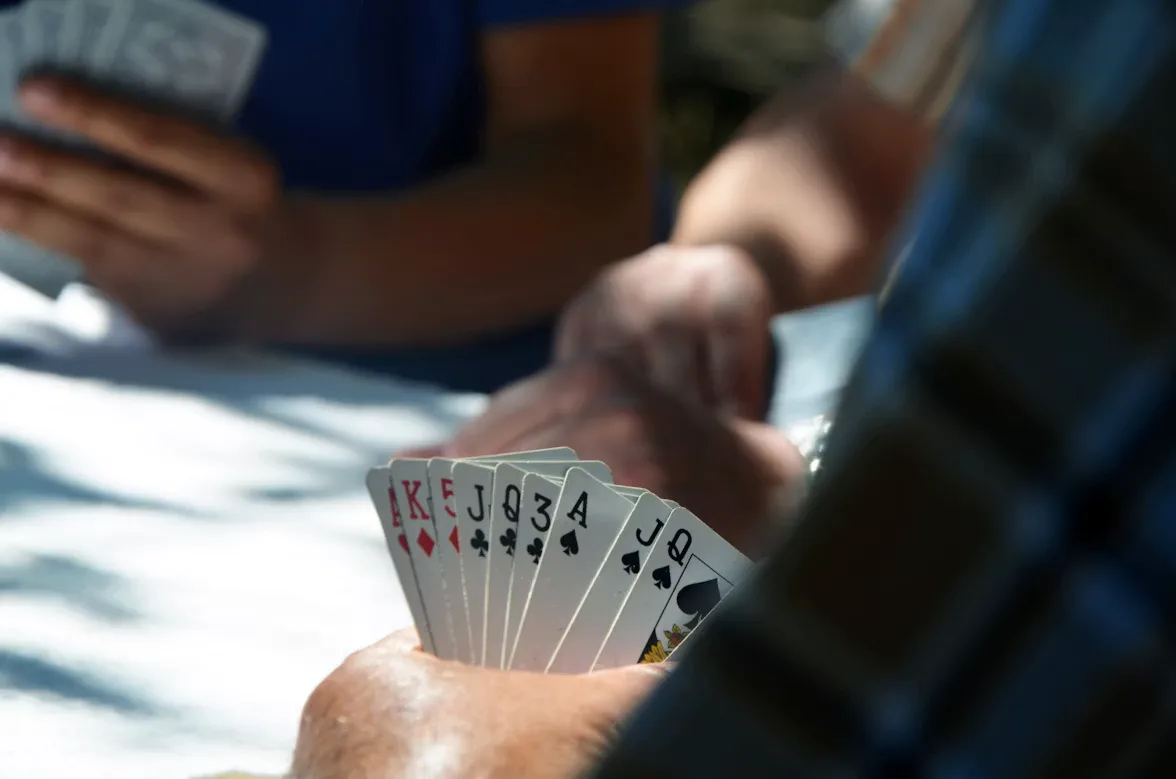
The most common mistake is getting involved in too many hands. Beginners want action and pay to see the flop with weak cards, hoping to get lucky. Folding hand after hand is boring, but that's the whole point.
Disciplined starting hand selection is one of the foundations of good play. Often the smartest move is to wait. Patience pays off, because strong hands will come if you know how to wait for them.
Instead of playing every hand "to see what happens", focus on quality. It's better to play ten strong hands than thirty average ones. This approach protects your chips and helps you build a solid image at the table.
Chasing every card
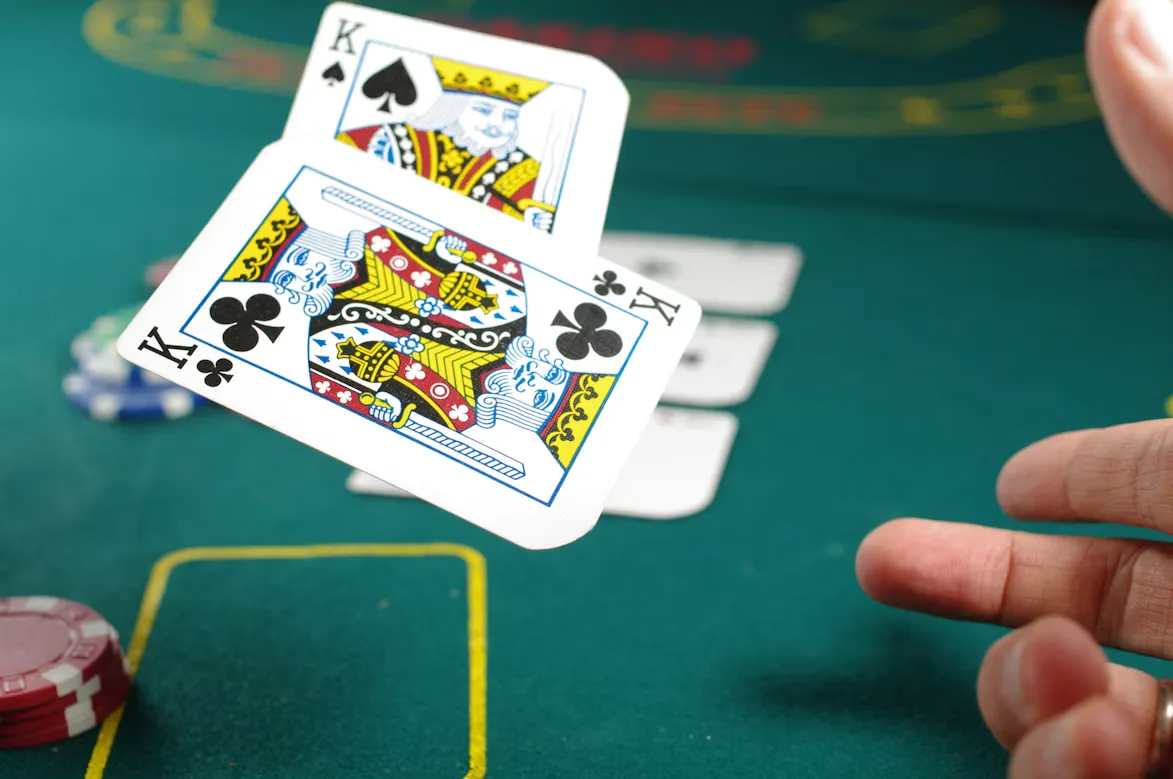
The second classic mistake is chasing draws — stubbornly calling in the hope that the card that completes your hand will come, no matter the price. You see four cards of the same suit and think "just one more" — so you call, even when your opponent keeps raising the stakes.
This is where pot odds help: if the math isn't on your side, calling is a losing play in the long run. Many beginners ignore this and slowly "bleed" money hand after hand. Learning basic pot odds and implied odds isn't complicated, and it drastically improves your decisions.
Remember: poker isn't a lottery. Every decision that isn't profitable in the long run costs you. Sometimes that card will come and you'll feel like a genius — but that doesn't change the fact that you played against the odds.
Playing on tilt

After losing a big pot or running into bad luck, many players keep playing angrily and recklessly — that's called tilt. It may well be the most expensive mistake in poker.
The best players know when to take a break and calm down. Playing under the influence of emotions almost always leads to even bigger losses. Tilt is a vicious circle: a bad beat makes you angry, you start forcing the action, you lose even more, you get even more frustrated.
The solution? Recognize the signs. As soon as you notice you're making decisions based on emotion rather than logic — get up from the table. Take a walk, get some air, and come back only once you've collected yourself. Discipline in that moment is worth as much as several good reads.
Ignoring position and bet sizing

Beginners often play the same hands from every position and pay no attention to bet size. This is a fundamental oversight — your position at the table drastically changes the strength of a hand.
Why position matters
When you're last to act (on the button), you see what everyone before you did before you make your decision. That gives you control. The same hand that's a fold from early position can be a strong raise from the button.
Bet size also isn't just a number — it sends information. Always making the same raise from every position makes you predictable. Learning the basic concepts — position, patience and pot odds — is the fastest way to go from beginner to solid player.
How to adjust your game
- From early position, play only strong hands (high pairs, AK, AQ)
- From middle position, widen your range a little
- On the button you can be more aggressive, especially if the others are showing weakness
- Watch how other players react to different bet sizes
Over time you'll develop a feel for which hand is strong enough from which position.
How to improve faster

The good news? All of these mistakes are easy to fix with knowledge and practice. Anyone willing to learn can improve quickly. The key is combining theory and practice — read up on the basics, then apply them at the table. Analyze what you could have done better, not only when you lose but also when you win.
Playing regularly with the same people helps, because you learn to recognize patterns and adapt. That's exactly why our club league exists — to give you an environment where you can practice without stress, learn from more experienced players and build confidence before you sit down at more serious tables.
And don't forget: mistakes are part of the process. Everyone who plays well today has made every one of these mistakes at least once. The difference is that successful players recognize their mistakes, learn from them and don't keep repeating them forever.
Join the club
Join the club: message the agent on Telegram, they send you the club app and get you to a table. Details are in the guide. See you at the table!