
One of the first lessons a serious poker player learns goes like this: it's not just what you hold that matters, but when you act. Your position at the table is often worth more than the cards themselves. Understanding position is one of the fastest ways to improve your game — often more important than memorizing which hands are "strong".
In this article we'll look at why position is so powerful and how to use it to your advantage.
What position is in poker
Position refers to the order in which players act during a betting round. Those who act later have a huge advantage, because they've already seen what their opponents did. This information asymmetry makes position one of the most important strategic factors in poker.
The best position is the button, because that player acts last on every street after the flop. The worst is early position, where you have to play with no information at all about the others. Between those extremes are the middle positions, with a moderate amount of information.
The positions at the table
Positions are usually divided into three categories:
- Early position – the first two or three seats after the blinds, where you have the least information
- Middle position – the central seats at the table, with a moderate information advantage
- Late position – the button and the seats just before it, where you have maximum control
The difference between these positions can be the difference between winning and losing at the table.
Information is everything
When you act last, you have the most information: you see who folded, who called and who raised. Based on that, you make much better decisions. This advantage can't be overstated.
A player in position can bluff more easily, extract value from strong hands and control the size of the pot. By contrast, playing from early position is like walking in the dark — you have to predict what will happen behind you, which is next to impossible.
Practical examples of the information advantage
Imagine you're holding a middle pair. From early position, you don't know whether someone behind you will raise, which puts you in an awkward spot. On the button, you can already see that everyone just called, so you can safely get into the pot and try to hit a set.
Or say you have a strong bluffing candidate. From early position you risk someone behind you having a strong hand. From late position, if everyone shows weakness, your bluff has a much better chance of success.
How position changes your strategy
Because of all this, experienced players play far more hands from late position and very few from early position. The same cards can be excellent on the button and a fold under the gun. This difference in starting hand selection is crucial.
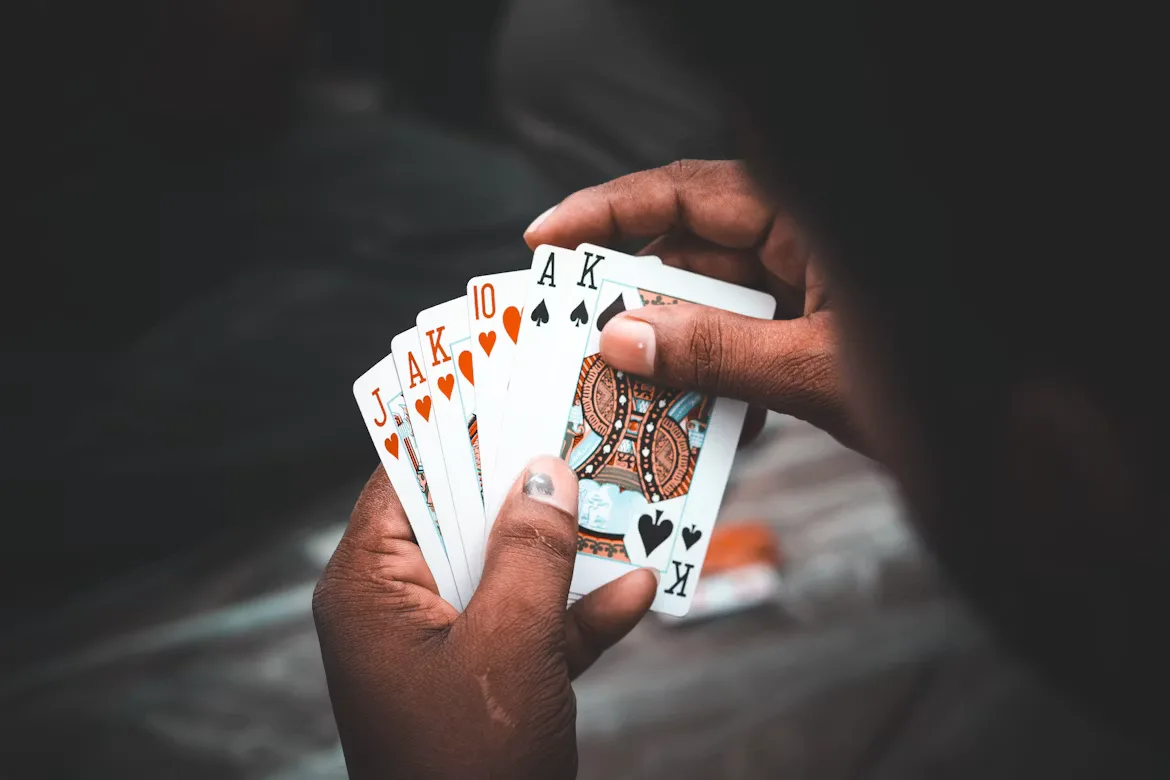
For example, a hand like K-J can be dangerous from early position because you'll often be dominated (someone holds A-K or A-J), but on the button, if nobody has shown strength, the same hand becomes a solid opening candidate.
Position-dependent aggression
Position doesn't just affect which hands you play, but also how you play them. From late position you can be more aggressive even with marginal hands. You can steal the blinds, control the pot and force your opponents to make tough decisions without information.
From early position, even with strong hands it's sometimes smarter to play more passively — call instead of raise — so you don't escalate the situation before you see what the others will do.
Use your advantage
Remember one simple rule: when you're in position, be more active and aggressive; when you're not, be more careful. That one habit on its own can turn you into a winner. Position isn't everything in poker, but it's close.
In practice, that means you should fold many hands from early position that you would otherwise play. It also means you can open a much wider range of hands from the button. This discipline takes practice, but it gets results.
Practice your positional awareness
Next time you sit down at a table — whether at our live tournaments or in an online game — pay attention to how your play changes depending on your position. Keep mental notes on which hands you play from where.
Over time, this awareness will become automatic. You won't have to think about it consciously — you'll simply "feel" when you're in a good or bad position and adjust your game. For a more detailed guide to poker basics, visit our page.
Join the club
Want to put what you've learned into practice in a real game? Join Kiril Poker Club and test your skills at the table against experienced players. Signing up is easy, and the atmosphere is relaxed and friendly.
Join the club: message the agent on Telegram, they send you the club app and get you to a table. Details are in the guide. See you at the table!