
Movies taught us that a top player can 'read' an opponent from a single twitch of an eyebrow or a nervous movement of the hand. How much of that is true, and how much is a Hollywood myth? And what happens when we move to online poker, where we can't see our opponent at all — do tells disappear completely or just change shape?
Understanding poker tells is useful, but not in the way many people think. Let's clear up what really works, what doesn't, and how the game changes when you're sitting alone in front of a screen.
What poker tells really are
A 'tell' is an unconscious sign that gives away the strength or weakness of a player's hand. In live poker it can be a trembling hand when betting, the way someone breathes, their posture or how quickly someone puts chips into the pot. These signals really do exist, but they're far subtler and less reliable than the movies make them out to be.
The best players don't make decisions based on one single movement. Instead, they gather small clues over many hands and build an overall picture of how an opponent plays. A tell is just one small piece of that puzzle, never complete information on its own.
Physical tells in live poker
In traditional poker you can notice how someone places their chips, whether their hands are shaking, how they hold their cards or how long they stare at the flop. The problem is that every player has their own individual patterns — there's no universal 'dictionary' that works for everyone.
What signals nerves in one player can be completely neutral behavior in another. That's why professionals treat tells as tendencies, not facts, and always cross-check them against the rest of the information from the game.
Classic misconceptions about tells
There's an old poker saying: 'weak means strong, and strong means weak'. The idea is that a player who acts threatening and aggressive is often bluffing, while one who seems indifferent and calm is actually holding a strong hand. Sometimes that's true, but experienced opponents know this very well and deliberately mislead you.
That's exactly why tells are unreliable on their own. A good player uses them as part of a bigger picture, together with betting patterns, position, hand history and the logic of the situation. Focusing only on physical signs while ignoring math and strategy is a sure path to losing.
The 'one look' myth
In the movies, the hero 'reads' his opponent at the key moment and makes the perfect decision. In reality, even the richest tells only give you probabilities, not certainty. Poker is a game of incomplete information — you can never be 100% sure what your opponent is holding.
That's why professionals don't look for a 'magic tell' but build a strategy based on solid principles, and use tells as extra information when they're clear and consistent enough.
Online poker: no faces, but there are clues
In online poker you can't see your opponent — no body language, no nervous movements, no eye contact. But that absolutely doesn't mean there are no 'tells'. They just take a different form.
Instead of physical signs, online players pay attention to timing (how quickly someone makes a decision), bet sizes and patterns of behavior over many hands. These digital trails can be just as informative as traditional tells — you just need to know what to look for.
Timing tells
A sudden 'instant' bet often means the player has already made up their mind — maybe they have a strong hand or planned a bluff in advance. Thinking for a long time and then folding can reveal uncertainty or a medium-strength hand. A quick check can mean weakness, but it can also be a trap.
As with physical tells, nothing is absolute. Good players consciously vary their reaction time so they don't leave a consistent pattern. Still, the vast majority of recreational players have recognizable rhythms that, over time, become readable.
Betting patterns as a digital tell
Someone who always bets the same amount regardless of their hand reveals a lot. So does someone who only plays premium hands. Someone who gets more aggressive after losing a hand (tilt) or someone who goes passive when losing — these are all forms of tells that math-oriented players carefully take note of.
HUD (Heads-Up Display) software in legal rooms lets you track stats such as VPIP (voluntarily put money in pot) or aggression. These are essentially data-based tells — much more reliable than trying to 'read' someone's face.
What really matters in poker strategy
The biggest truth about tells is that they're heavily overrated compared to logic, math and fundamental strategy. Understanding how your opponent thinks, which hands they can have in a given situation, and how those hands interact with the board is worth far more than any physical sign.
Professionals build their decisions on solid foundations — pot odds, position, range analysis, board texture. Tells are the finishing touch, not the foundation. If your basic strategy isn't solid, tells won't help you. If it is, they can add a small percentage of edge.
Focus on the fundamentals
Before you even think about tells, pay attention to the following:
- What your position at the table is and how it affects your decision
- How much money is already in the pot and what the mathematical odds are
- Which hands your opponent can logically have based on the way they bet
- How the board affects the possible hand ranges
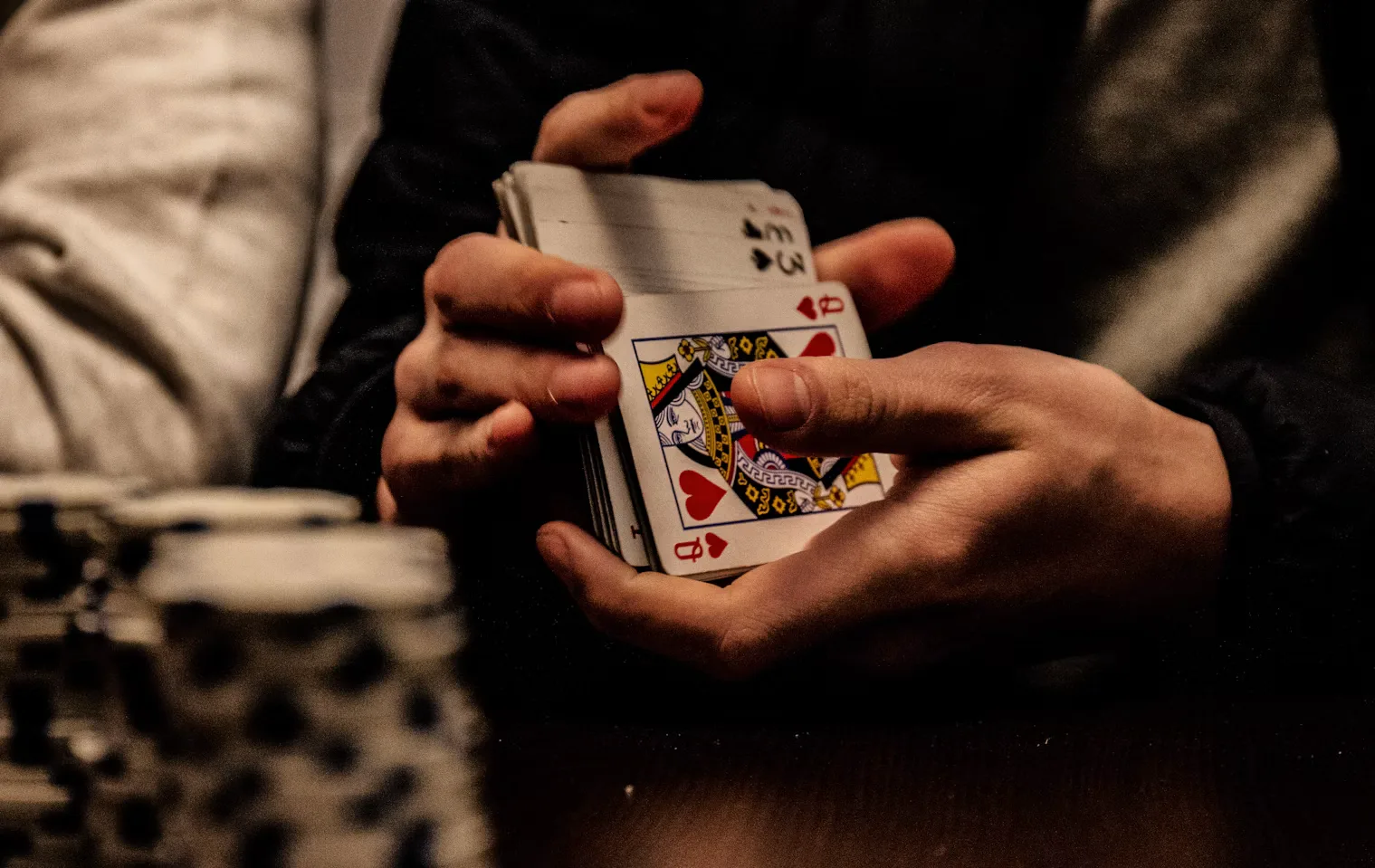
If you master these basics, tells become an extra tool. If you don't, they're just a distraction that costs you money.
How to build a read on your opponent
Instead of looking for one magic tell, focus on patterns of behavior across many situations. How does your opponent act when they have a strong hand? How about when they're bluffing? How do they react to aggression? Do they change the pace of play depending on the strength of their hand?
This information is gathered slowly and requires attention. But once you've collected it, it gives you a much more accurate picture than any single physical or timing tell.
How not to give away your own tells
The other side of the story is protecting your own game. The easiest way not to give away a tell is to be consistent in your behavior regardless of the strength of your hand. In live poker that means the same way of placing chips, the same pace, the same body language.
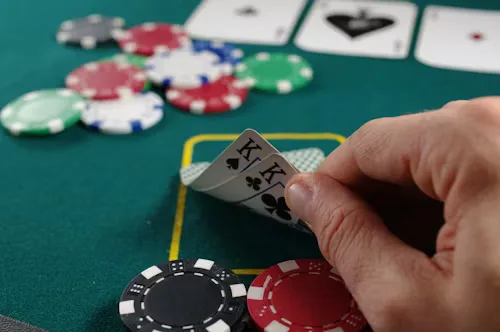
Online, it means varying your reaction time even when you have an easy decision, and avoiding obvious patterns in your bet sizes. Professionals use random pauses and standardized bet sizing for exactly that reason.
The best way to hide your tells is to develop a mechanical, consistent routine for every action — whether you have the nuts or you're bluffing.
Tells in the context of club play
In our club the players know each other and play together regularly, which means tells become more relevant than in anonymous online rooms or cash games with strangers. When you play with the same people every week, you start noticing their patterns and tendencies.
That makes the game deep and interesting, but it also means you need to be more aware of your own habits. In a relaxed atmosphere it's easy to become predictable. Smart players consciously change their behavior or keep it neutral and consistent.
At our league nights you can watch how tells develop over a longer period of time — it's a great way to learn not only about your opponents but also about yourself.
Practical tips for using tells
If you want tells to be useful, here are a few practical rules:
- Learn a solid strategy first — tells are an upgrade, not the foundation
- Watch for patterns over many hands, not one single incident
- Never make a decision based solely on a tell — always cross-check it with the logic of the situation
- Be aware of confirmation bias — don't just see what you want to see
- Online, focus on timing and bet sizing above all
- Protect your own patterns by varying your behavior or by strict consistency
Remember that poker isn't magic or 'mind reading' — it's a disciplined game of making decisions under uncertainty, where every piece of information helps but nothing is certain.
Tells aren't a shortcut
At the end of the day, tells are a fascinating topic because they touch on psychology, reading people and intuition. But you mustn't let them lead you away from the essence of poker — a solid, math-based strategy and disciplined decision-making.
Use tells as one of the tools in your arsenal, but never as a substitute for a fundamental understanding of the game. In live poker they add a layer of depth. Online, they adapt into digital clues. But in both cases, real skill comes from logic, not from 'magically' reading your opponent.
You can read more about strategy basics and how to approach learning poker the right way in our articles, where we regularly publish material for players of all levels.
Join the club
Want to learn to read opponents in real situations, not just in theory? Kiril Poker Club runs regular games where you can develop every aspect of your strategy — including spotting tells in a relaxed, friendly atmosphere.
Join the club: message the agent on Telegram, they send you the club app and get you to a table. Details are in the guide. See you at the table!
See you at the table — and watch what you give away!